

California Food Banks™ Member Spotlight: Food Bank of Northern Nevada
July 21, 2026
From South Lake Tahoe to the high desert enclaves of Mono and Inyo Counties, communities along the eastern Sierras face unique barriers to accessing the produce and fresh foods many take for granted. Separated from the rest of California by high mountain passes, these locations are more easily reached from our neighboring state, Nevada. So when it came to which food bank could best bridge the gap, the Food Bank of Northern Nevada (FBNN) stepped up. Aramelle Wheeler, FBNN Marketing and Communications Manager, recognizes that food scarcity doesn’t stop at state lines. “We view our California communities as just as big a part of the puzzle we’re all trying to solve,” she said.
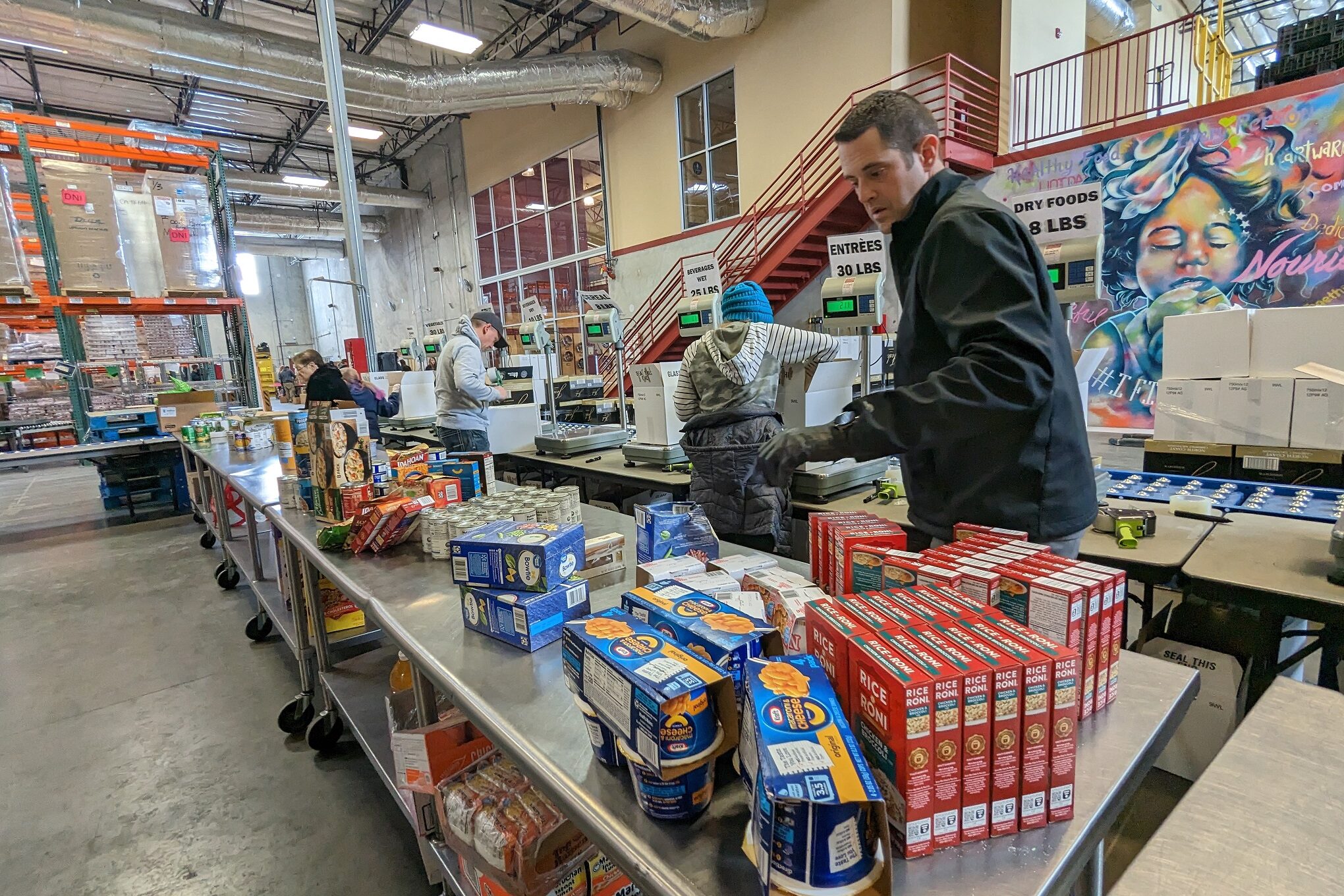
In 2025, FBNN became one of two new members to join California Food Banks™. Based in Sparks, Nevada, FBNN brings 23 million meals a year to Nevada and California’s eastern Sierra counties. It’s a fitting next step for an organization that has spent more than four decades pushing past geographic and logistical boundaries to get healthy food to the people who need it most.
Bringing Food to Where People Are
FBNN’s service area spans 90,000 square miles, and much of it is genuinely rural; communities with just one grocery store, or none at all. “There’s real distance to access groceries,” Wheeler said. “The term ‘food desert’ can be used in so many ways, but it’s truly a significant issue for the folks we serve.”
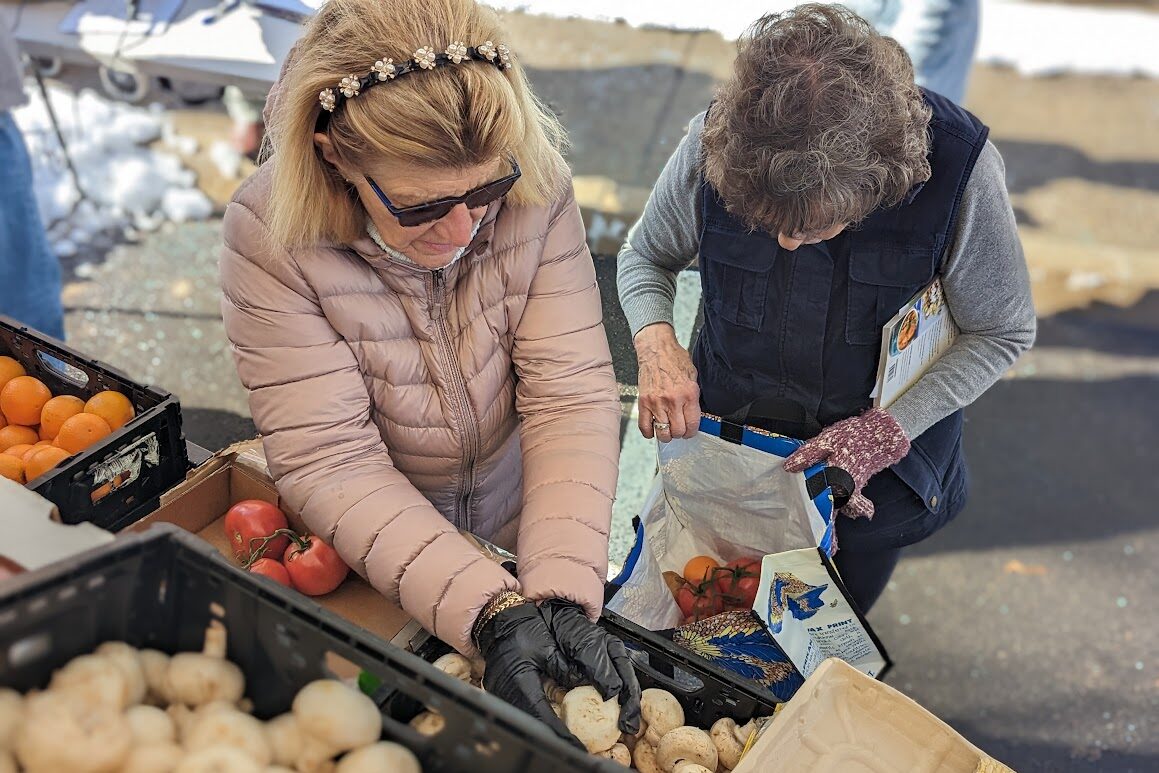
That reality shaped one of the organization’s signature programs, Mobile Harvest. Launched in 2008, it’s essentially a farmer’s market on wheels. The truck visits 43 sites across Nevada and California, and distributes enough fresh fruits and vegetables to last a family a week. “Partner food pantries often lacked refrigerated storage, limiting their ability to offer fresh food,” said Wheeler. “Mobile Harvest helps our neighbors and families in these communities have consistent access to fresh fruits and vegetables.”
Listening to Their Neighbors
When FBNN noticed seniors weren’t showing up to Mobile Harvest events, they asked why. What they learned was straightforward: a week’s worth of produce for a family is simply too much for one person living alone. In response, FBNN created Produce on Wheels to deliver smaller, manageable quantities of fresh fruits and vegetables directly to senior centers and housing complexes.
The impact of Produce on Wheels has gone beyond nutrition. One woman, recently widowed and new to Reno, started coming because a neighbor invited her. “She didn’t think she needed it,” said Wheeler, “but she didn’t want to say no to her new friend.” Over time, the woman turned every item she received into a discovery. She’d find a new recipe, try something unexpected, then report back to the Produce on Wheels program coordinator. Eventually she admitted, “You put the sparkle back in my life.”
The success of the Produce on Wheels program underscores the importance of remaining open to feedback. “We don’t want to make assumptions about what our neighbors need,” said Wheeler. “Produce on Wheels is such a tangible example of why it matters to listen to the people you’re serving.”
When the Safety Net Is Strained
The government shutdown in fall 2025 put that commitment to the test in a new way. When benefits and disbursements were suspended, FBNN organized emergency drive-thru distributions to help fill the gap. “What we saw was a more urgent need,” said Wheeler. “So many people don’t have a significant amount of income to put into their grocery budget outside of SNAP.”
The all-hands-on-deck emergency distributions during the shutdown clarified the devastating impact of SNAP cutbacks. “We will always do everything we can to be there to serve our community,” said Wheeler. “But we also know those impacts on SNAP are not something we can easily close the gap on. It’s a little like trying to use a bobby pin to stop a dam.”
Building for What’s Next
As proposed cuts to federal nutrition programs continue to take shape, FBNN remains committed to showing up. With the help of state funding, they’re building a new northeastern distribution hub in Elko, Nevada. It’s the first of multiple hubs they hope to build to reach food pantries in distant communities more efficiently, that is slated to open in January 2027. “We want to have smaller food distribution hubs stocked and loaded to serve eastern counties directly,” Wheeler said, “rather than having the food come to us and then we have to ship it to them.” A second phase in Elko will add a food pantry to serve neighbors in the area directly.
FBNN is also expanding their work to address the root causes of hunger. In partnership with nonprofit The Children’s Cabinet, also based in Sparks, they’re building an all-in-one resource center. The center will feature an on-site food pantry and market with case management, workforce development support, and childcare. “It’s a new way to be more deeply involved in changing what it looks like to support someone,” Wheeler said. “Here, neighbors can come to one place and get a large amount of needs met, rather than being given a list of referrals.”
Growing Together
As a new CAFB member, FBNN is looking forward to what’s possible — for the neighbors they serve in Nevada, California, and the broader network they’ve now joined. “Our vision is healthy food for every person, every day,” says Wheeler. “And we’re committed to expanding our work and collaborating on new ways to better serve communities as a whole.”
You can find the Food Bank of Northern Nevada online at fbnn.org, on Facebook, Instagram, and LinkedIn, or in person at 550 Italy Drive, Sparks, Nevada.
Stay up to date in fight against hunger.